



Background of Average Vet Costs in the U.S.
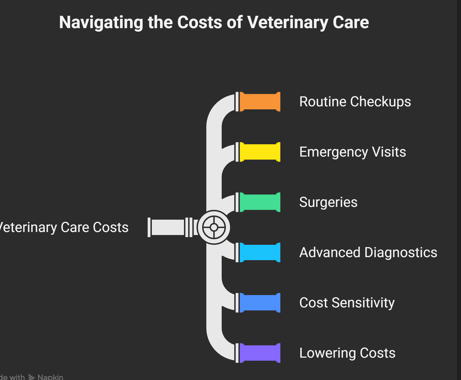
Veterinary care costs in the United States have been rising for several years. Routine checkups, vaccinations and preventive meds are manageable for many owners, but emergency visits, surgeries and advanced diagnostics can quickly exceed a few hundred to several thousand dollars. The economic pressure is real: many households report being cost-sensitive about vet care and even delaying or skipping recommended services because of price. Understanding typical costs, what drives big bills, and reliable ways to lower your spending can keep pets healthier and owners financially safer.

Typical costs you should know regarding Vet Costs in the U.S.
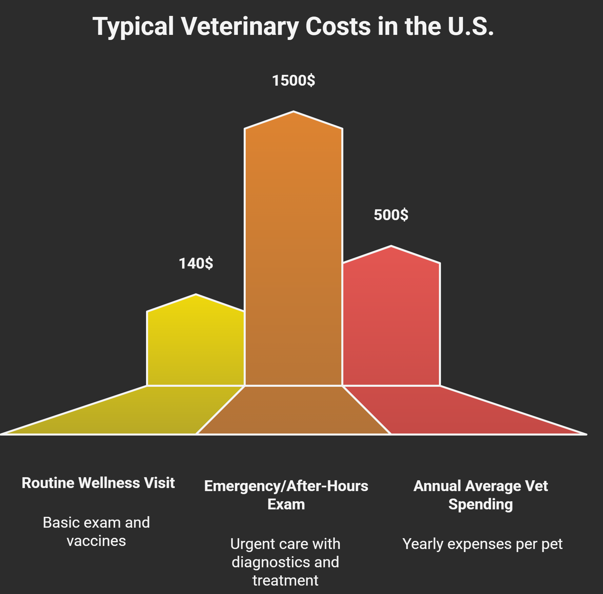
Routine wellness visit (exam + basic vaccines): commonly ranges from roughly $50–$230, varying by clinic, region, and whether tests or vaccines are added.
Emergency/after-hours exam: averages vary widely; emergency visits often start in the low hundreds and can escalate into the thousands depending on diagnostics and treatment. Expect hundreds to several thousand dollars for true emergencies.
Annual average vet spending per pet (U.S. averages): many pet owners spend several hundred dollars per year on veterinary care; aggregated national spending on pets is in the tens of billions annually.

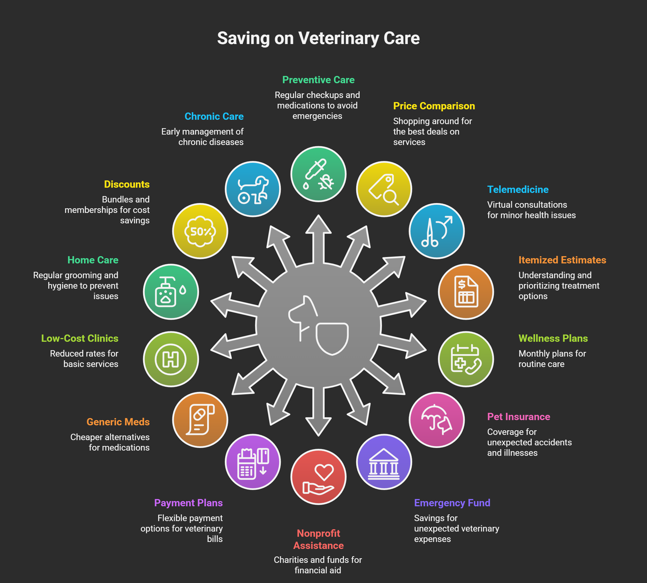
15 practical ways to save on veterinary care in U.S.
1. Prioritize preventive care
Regular checkups and preventive medications (heartworm, flea/tick control, vaccines) reduce the chance of expensive emergencies later. Budgeting small, predictable amounts yearly beats surprise bills. (Prevention is typically far cheaper than treatment.)
2. Compare prices for routine services
Call or check online for vaccine clinics, low-cost community clinics, and several local practices. Routine vaccinations and microchipping prices can vary substantially between clinics.
3. Use telemedicine for minor questions
Many telehealth services or virtual vet consults cost far less than an in-clinic visit and can help you triage whether a trip to the ER is necessary.
4. Ask for an itemized estimate and treatment options
When presented with a diagnosis, request a written breakdown and ask about staged or alternative plans (e.g., conservative vs. surgical options). Some clinics will work with you to prioritize interventions.
5. Join a wellness plan or clinic membership
Many practices offer monthly wellness plans that spread routine care costs across the year (vaccines, heartworm tests, fecal, discounts on services). These often pay for themselves if you’d otherwise buy those services à la carte.
6. Shop around for pet insurance (or alternatives)
Pet insurance reduces the risk of high emergency bills. Compare coverages, waiting periods and exclusions. For many owners, insurance is most valuable for unexpected accidents and illnesses rather than routine care. Average premiums vary by pet age, breed and plan — research pays off.
7. Choose an appropriate deductible and reimbursement level
Higher deductibles lower premiums; lower deductibles and higher reimbursement increase premiums. Pick what fits your budget and risk tolerance.

8. Build an emergency fund for pets
If insurance isn’t right for you, start a dedicated “pet emergency” savings account. Even $25–$50/month accumulates into a meaningful cushion over time.
9. Seek help from nonprofit funds and charities
Many charities, veterinary schools, and breed-specific funds can assist with bills for qualifying cases. Lookup local animal welfare organizations and national funds for urgent help.
10. Use payment plans and medical credit responsibly
Many clinics accept CareCredit or offer in-house payment plans. These can ease cash flow but read terms carefully (interest, deferred interest traps).
11. Ask about generic meds and cheaper brands
Some medications have generic equivalents or over-the-counter alternatives your vet may accept; discuss safe substitutions.
12. Consider low-cost clinics for basic services
Shelter clinics, mobile clinics, and nonprofit community clinics can offer vaccinations, spays/neuters and basic care at reduced rates.
13. Maintain good home care (grooming, dental hygiene)
Regular tooth brushing, proper nutrition, weight control, and parasite prevention reduce the incidence of costly conditions (periodontal disease, obesity-related problems).
14. Leverage discounts and memberships
Bundle discounts (multi-pet plans), senior, military, student discounts or corporate benefits (some employers offer pet discounts) can lower costs.
15. Keep medical records and be proactive with chronic care
Early diagnosis and consistent management of chronic diseases (e.g., diabetes, arthritis) often cost less over the pet’s lifetime than late-stage emergency interventions.
When to use insurance vs. savings vs. assistance
- Insurance: best for unpredictable, high-cost events (major illness, surgery).
- Savings: good if you prefer not to pay monthly premiums and can tolerate risk.
- Charities/assistance: last-resort or supplemental help for qualifying emergencies.
The reality: owners delay care — and why that’s risky
Surveys and industry reports indicate rising price sensitivity; many owners admit to delaying or declining services due to cost. That behavior can lead to worse outcomes and higher costs later, so balancing affordability and early care is critical.
Conclusion: Keeping Your Pet Healthy Without Breaking the Bank
Caring for a pet should never feel like a financial burden — and with the right strategy, it doesn’t have to be. While veterinary costs in the U.S. continue to climb due to inflation, advanced technology, and higher standards of care, there are smart, proactive ways to manage expenses without compromising your pet’s well-being.
By prioritizing preventive care, comparing prices, and leveraging insurance or wellness plans, pet parents can avoid costly emergencies and ensure their companions receive consistent, quality care. Building an emergency fund, exploring low-cost clinics, and asking your vet about generic medications or treatment alternatives can further stretch your dollar.
Ultimately, responsible pet ownership means planning ahead — financially and medically. A little preparation today can spare you from painful choices tomorrow. Whether you rely on pet insurance, savings, or community support, the goal remains the same: to give your pet a long, healthy, and happy life — without sacrificing your financial peace of mind.


3 thoughts on “Average Vet Costs in the U.S. (And How to Save Money)”
Comments are closed.