

Background of Do American Dogs Get Enough Mental Stimulation? The Truth
Dogs in the United States are among the most loved and well-cared-for pets in the world. According to the American Pet Products Association, tens of millions of American households include at least one dog, and billions of dollars are spent annually on pet food, toys, grooming, and veterinary care. Walk through any suburban neighborhood and you’ll see plush dog beds, fenced yards, designer leashes, and shelves stocked with treats.
But beneath this surface of comfort lies an increasingly important question: are American dogs mentally stimulated enough?
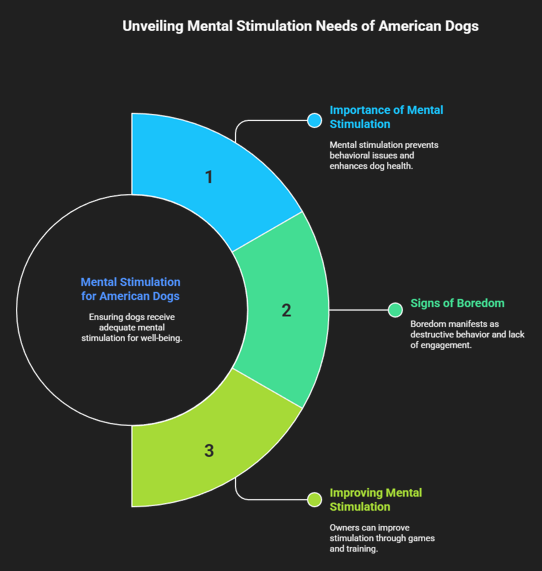
While most dogs receive adequate nutrition and medical care, mental stimulation is often overlooked. Dogs are intelligent, problem-solving animals that evolved to work alongside humans. When their minds are underused, behavioral issues, anxiety, and even depression can emerge. This article explores whether American dogs are getting enough mental stimulation, why it matters, what signs indicate boredom, and how owners can meaningfully improve their dogs’ mental lives.
Understanding Mental Stimulation in Dogs
Mental stimulation refers to activities that engage a dog’s brain—encouraging thinking, problem-solving, exploration, and learning. Unlike physical exercise, which targets muscles and cardiovascular health, mental enrichment challenges cognitive abilities and emotional well-being.
In the wild or in working environments, dogs use their brains constantly:
- Tracking scents
- Solving problems
- Making decisions
- Communicating with humans or other animals
Modern pet dogs, however, often live structured, repetitive lives. The same walk. The same route. The same bowl of food. The same toys. While comfortable, this routine can deprive dogs of the novelty and challenge their brains crave.
The Modern American Dog Lifestyle
To understand whether American dogs are mentally stimulated enough, we must first examine their daily routines.
1. Long Hours Alone
Many American households are dual-income. Dogs are frequently left alone for 8–10 hours a day while owners work. During this time, dogs may:
- Sleep excessively
- Stare out windows
- Engage in repetitive behaviors
While dogs do need rest, excessive inactivity can dull cognitive engagement.
2. Limited Environmental Variety
Even dogs with backyards often experience limited stimulation:
- Same yard every day
- Same smells
- Same boundaries
Without changing environments or challenges, dogs stop actively engaging with their surroundings.
3. Over-Reliance on Physical Exercise
Many owners believe that a long walk or a game of fetch is enough. While physical exercise is crucial, it does not replace mental enrichment. A dog can be physically tired yet mentally understimulated.

Why Mental Stimulation Is Just as Important as Exercise
1. Cognitive Health
Just like humans, dogs benefit from using their brains. Mental challenges:
- Improve learning ability
- Slow cognitive decline in senior dogs
- Increase adaptability to new situations
2. Emotional Well-Being
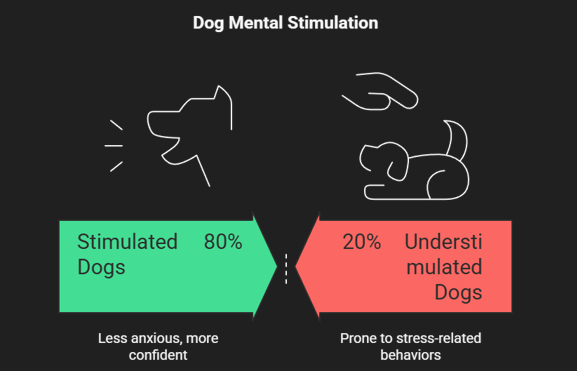
Mentally stimulated dogs are:
- Less anxious
- More confident
- Less prone to stress-related behaviors
A stimulated mind helps regulate emotions and reduces frustration.
3. Stronger Human-Dog Bond
Training, interactive play, and problem-solving activities strengthen communication between dogs and owners. Dogs feel more fulfilled when they work with their humans.
Breed Differences Matter
Not all dogs have the same mental stimulation needs. Many popular American breeds were developed for specific jobs.
High Mental Stimulation Needs
- Border Collies
- Australian Shepherds
- German Shepherds
- Belgian Malinois
- Poodles
These breeds are problem-solvers by nature. Without challenges, they often develop behavioral issues.
Moderate Mental Stimulation Needs
- Labrador Retrievers
- Golden Retrievers
- Boxers
- Spaniels
These dogs thrive on interaction and variety.
Lower (But Still Important) Needs
- Bulldogs
- Basset Hounds
- Shih Tzus
Even low-energy breeds need mental engagement, just in gentler forms.
The Role of Technology and Convenience
Modern convenience has changed dog ownership in America.
Pros
- Automatic feeders
- GPS collars
- Smart toys
Cons
- Less direct interaction
- Fewer problem-solving opportunities
- Passive entertainment replacing engagement
A toy that entertains a dog without requiring thought does little for mental development.
How American Dog Owners Can Improve Mental Stimulation
The good news: mental stimulation doesn’t require expensive tools or hours of time. Small changes make a big difference.
1. Interactive Feeding
Replace food bowls with:
- Puzzle feeders
- Snuffle mats
- Scatter feeding
This encourages dogs to work for their meals, engaging natural foraging instincts.
2. Training Beyond Basics
Training isn’t just for puppies.
- Teach new tricks regularly
- Practice impulse control
- Try scent discrimination games
Five minutes of training can equal a long walk in mental fatigue.
3. Rotate Toys
Dogs lose interest in familiar objects.
- Rotate toys weekly
- Introduce novelty
- Combine toys with problem-solving
4. Scent Work and Nose Games
A dog’s nose is its strongest sense.
- Hide treats around the house
- Let dogs sniff freely on walks
- Use scent trails
Sniffing is mentally exhausting and deeply satisfying.
5. Environmental Enrichment
- Change walking routes
- Visit new parks
- Introduce safe household obstacles
Novelty stimulates curiosity and confidence.
Mental Stimulation for Dogs in Apartments
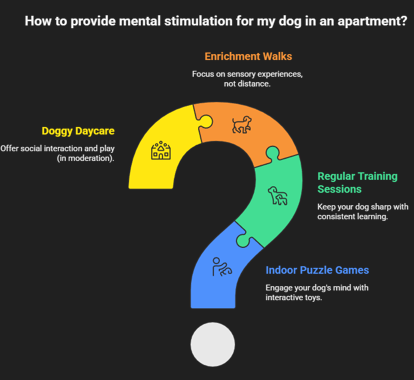
Many American dogs live in apartments, not houses with yards. This doesn’t doom them to boredom.
Apartment dogs can thrive with:
- Indoor puzzle games
- Regular training sessions
- Enrichment walks focused on sniffing, not distance
- Doggy daycare (in moderation)
Mental stimulation matters more than square footage.
Are American Dogs Getting Enough Mental Stimulation? Final Verdict
Most American dogs are physically cared for but mentally underserved.
This doesn’t stem from neglect, but from misunderstanding. As awareness grows, more owners are discovering that enriching a dog’s mind is one of the most powerful ways to improve behavior, happiness, and overall health.

1 thought on “Do American Dogs Get Enough Mental Stimulation?”
Comments are closed.