

Background of Best Family Dogs in the U.S.: Safe, Smart & Kid-Friendly
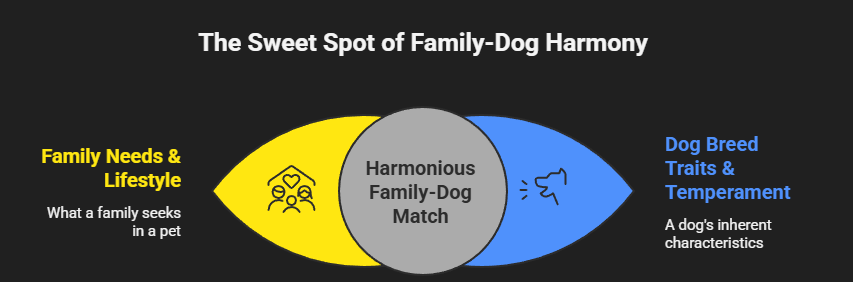
Raising a dog in a family with children can be one of the most rewarding, joyful experiences — but it’s not without challenges. Dogs bring companionship, teach responsibility, and often become best friends with kids. Yet families must understand safety, financial commitment, and the right breed choice to ensure harmony and wellbeing for both children and dogs.
With over 70% of U.S. households owning pets, and children under 12 often highly engaged with family pets, understanding how to pair the right dog with your family’s lifestyle is essential for a long-lasting, safe, and happy relationship.
SAFETY FIRST: Kids & Dogs Together
Safety is the most important consideration when you have both kids and a dog. Even the most loving dog can become stressed or confused by rough play, unpredictable movements, or children unintentionally violating its space.
Understanding Dog Body Language
Children should learn basic dog signals:
- Relaxed ears and soft eyes: dog is calm
- Tense body, yawning, lip licking: signs of stress
- Growling, snarling, raised hackles: dog needs space
Teaching kids to recognize these cues greatly reduces bite incidents.
Supervision Rules
Never leave young children (especially under 6) alone with any dog, regardless of breed or training. Accidents often happen when adults are inattentive.
Safe Play Guidelines
- No hugging a dog tightly — many dogs perceive this as restraint.
- No interrupting dogs while eating or sleeping.
- Teach children to ask the dog to approach them instead of reaching out.
Approach & Petting
Train kids to approach slowly:
- Ask permission from owner (if visiting)
- Let the dog sniff your hand first
- Pet gently under chin or on chest
Studies show that many dog bite incidents are preventable through basic education about canine behavior-especially when kids are involved.
FINANCIAL REALTALK: What It Costs to Raise a Dog in the U.S.
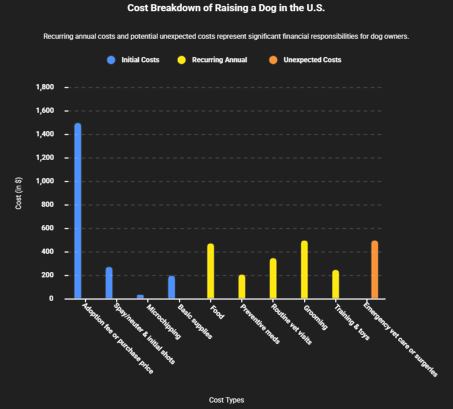
Owning a dog is a rewarding experience, but it comes with financial responsibilities. Below is a realistic breakdown of typical expenses:
Initial Costs
- Adoption fee or purchase price: $0*–$3,000+ (varies widely with shelter vs. breeder)
- Spay/neuter & initial shots: $150–$400
- Microchipping: $25–$50
- Basic supplies: $100–$300
(bed, leash, collar, bowls)
*Shelter costs are usually lower and often include vaccinations.
Recurring Annual Costs
| Category | Estimated Cost (U.S. Annual) |
|---|---|
| Food | $250–$700 |
| Preventive meds (flea/tick/heartworm) | $120–$300 |
| Routine vet visits | $200–$500 |
| Grooming (if needed) | $200–$800 |
| Training & toys | $100–$400 |
Unexpected Costs
Emergency vet care or surgeries can range from hundreds to thousands of dollars. Pet insurance can help offset these costs, especially for families with kids in the home.
BEST DOG BREEDS FOR FAMILIES WITH KIDS
No breed guarantees perfect interactions, but some are commonly known for child-friendly temperaments. Here are some of the best breeds for families in the U.S.
1. Labrador Retriever
- Highly energetic, friendly, patient
- Great with children of all ages
- Requires regular exercise
2. Golden Retriever
- Affectionate, intelligent, trainable
- Loves play and stays attentive with kids
- Moderate grooming needs
3. Beagle
- Smaller size, gentle nature
- Curious and playful
- Excellent for active families
4. Bulldog
- Calm, robust, patient
- Lower exercise requirements
- Good with younger children
5. Poodle (Standard or Mini)
- Highly trainable and intelligent
- Hypoallergenic coats (great for some allergy sufferers)
- Loves family interaction
6. Boxer
- Playful, protective, fun
- Energetic but loyal
7. Mixed Breeds
Don’t overlook shelter dogs! Many mixed breeds have excellent temperaments and make loving family pets.
TRAINING & SOCIALIZATION: KEY TO HARMONY
Training makes a huge difference in how a dog behaves in a family with children.
Obedience Training
Start with basic commands:
- Sit
- Stay
- Drop it
- Come
Positive reinforcement is especially effective.
Socialization With Kids
Expose dogs (safely) to:
- Different ages of children
- Various household sounds & movements
- Kids handling gentle petting and play
Puppy classes or family training sessions help build confidence in both dog and children.
Routine Matters
Dogs thrive on schedules — feeding, potty breaks, walks, and playtime should be consistent.
REAL-WORLD SCENARIOS
Scenario A-Toddler Meets Dog
Guide toddler toward gentle petting. Reward the dog when it remains calm.
Scenario B-Rough Play
Teach children that jumping, yelling, or tugging on fur is not play. Redirect energy to toys.
Scenario C-Older Kids Responsible for Tasks
Older kids can help with:
- Feeding schedules
- Short walks
- Grooming sessions
This builds responsibility and strengthens the pet-child bond.
COMMON MISCONCEPTIONS DEBUNKED
Myth: Large dogs are always safer with kids.
Fact: Size doesn’t determine temperament — training and supervision matter more.
Myth: A gentle dog will never bite.**
Fact: Any dog can react defensively if scared or overwhelmed.
Education prevents negative outcomes.
LONG-TERM BENEFITS OF DOGS IN FAMILY LIFE
Research shows that kids who grow up with dogs often benefit in emotional and social ways:
- Increased empathy and compassion
- Better immune response in early years
- Enhanced physical activity
- Stronger sense of responsibility
A well-matched dog can become a child’s lifelong friend.
CONCLUSION
Raising a dog with children in the U.S. can be a deeply positive experience when done thoughtfully. Safety, understanding costs, choosing the right breed, consistent training, and clear family rules are the foundation of success. With proper planning and love, a dog can enrich your family’s life-teaching your children compassion, joy, and responsibility that lasts a lifetime.

3 thoughts on “Best Family Dogs in the U.S.: Safe, Smart & Kid-Friendly”
Comments are closed.